
Freezer-Grade Tires, Hydraulics and Seals: The Specification List for Sub-Zero Forklifts
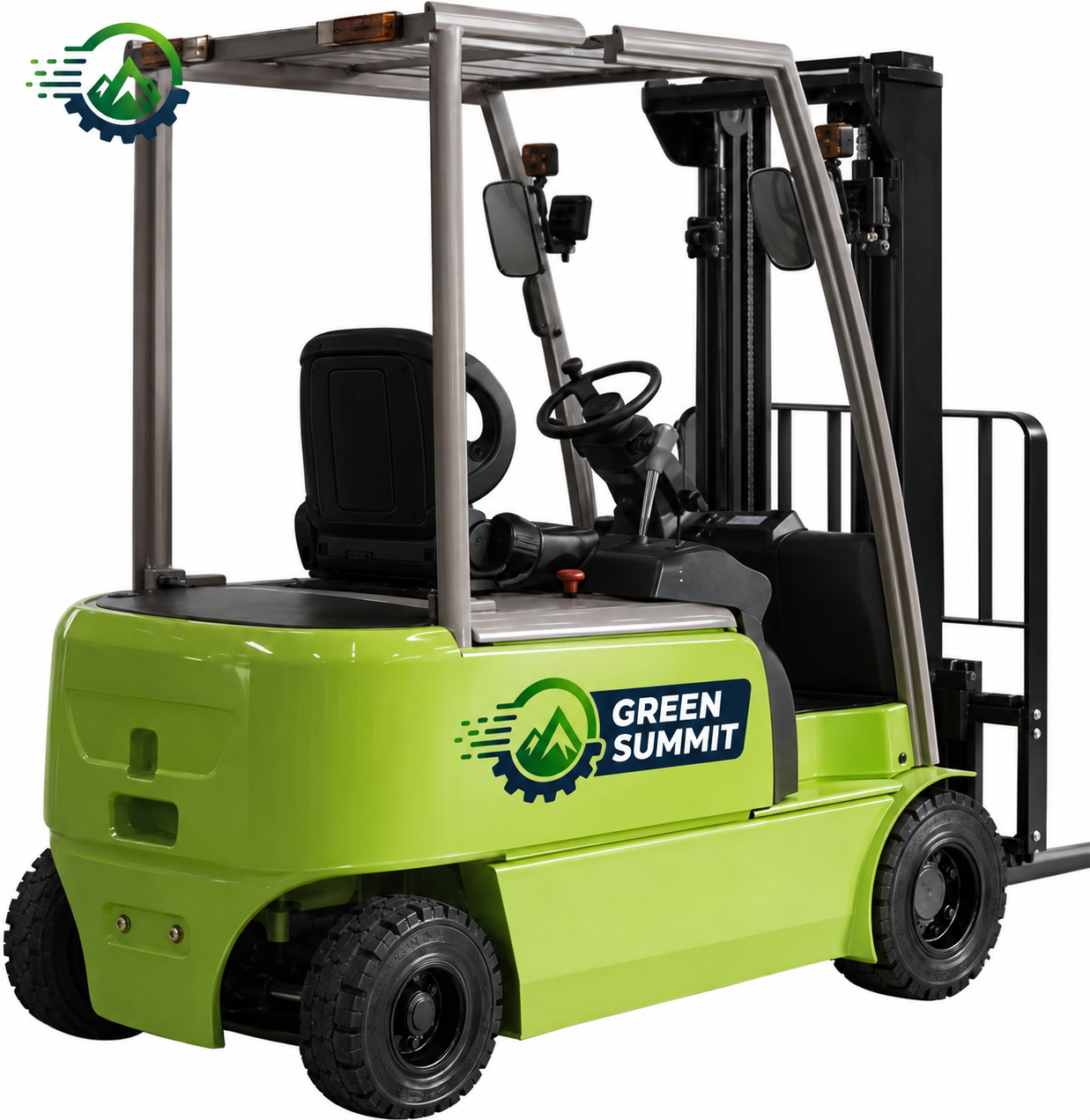
Below zero, standard components quietly underperform: tires harden, hydraulic oil thickens, seals stiffen and grease stops flowing. None of these failures appears on day one — they appear in month six, as sluggish masts, slipping wheels and leaks. A sub-zero specification list prevents all of it.
The component checklist for freezer work
- Tires: low-temperature compounds stay flexible and keep grip on frost-covered floors; standard compounds become skates.
- Hydraulic oil: specify the grade for your coldest setpoint — an oil rated for the dock is not rated for the freezer.
- Seals and hoses: cold-rated elastomers throughout the hydraulic circuit and mast.
- Grease and lubrication points: low-temperature grease, with the relubrication interval adjusted for the cold zone.
- Battery: heating or insulation options discussed in our cold-chain battery guide.
- Electrics: sealed connectors and coated boards against condensation, covered in our electronics guide.
Why factory configuration beats retrofit
These components interact — an oil change alone leaves cold-stiffened seals and hardened tires in place. As an OEM/ODM factory, Green Summit builds the full cold package against your temperature profile, then documents it: the specification sheet your maintenance team and your auditor both need.
Food-industry configured forklifts like the 3-ton food industry forklift are a starting point; the cold package is added against your site data. Send your coldest temperature and route map for the complete configuration.