
Choosing Battery Chemistry and Charging Practice for Cold Chain Forklifts
Cold chain operations charge batteries in the most demanding conditions an electric forklift will meet: low ambient temperature, constant thermal cycling and no room for downtime. Battery chemistry choice and charging practice decide whether the fleet stays productive through winter.
How cold affects each chemistry
Lead-acid packs lose charge acceptance and need longer charging and equalizing cycles in cold battery rooms; their electrolyte also carries freeze risk if deeply discharged. Lithium packs deliver less usable capacity when cold but recover with proper charging management, and systems with low-temperature charging control protect the cells. Neither chemistry is unusable — both need to be specified for the actual temperature, not assumed.
Charging practice in cold operations
- Charge in the warmest space available — a conditioned charging bay beats charging inside the freezer.
- For lithium, confirm the charger's low-temperature behavior: packs should not accept fast charge below their safe temperature window without heating.
- For lead-acid, extend the rotation to account for slower charging, and keep the watering schedule tight — cold rooms dry packs faster than buyers expect.
What to ask the factory
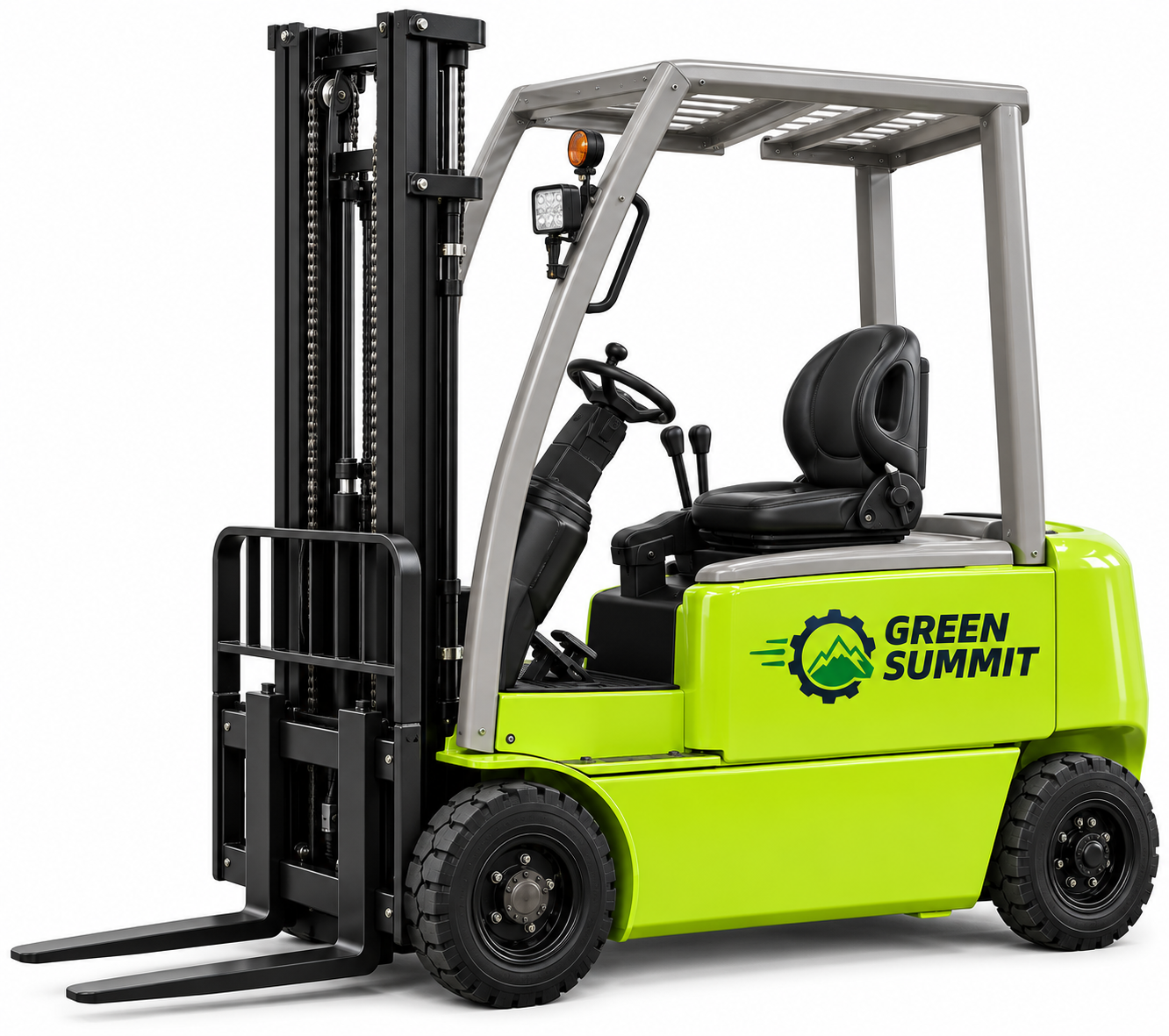
Request written answers to four points: minimum operating temperature of the pack, whether pack heating is available, the recommended charging location and temperature, and expected runtime reduction at your coldest setpoint. Green Summit supplies cold-chain battery documentation with forklift orders — for example on the 2-ton lithium warehouse forklift — because the electrical contractor on your site needs it too.
Send your coldest zone temperature and daily forklift-hours and we will propose the chemistry and charging plan together.