
Condensation and Electronics: Running Forklifts Between Cold Stores and Ambient Docks
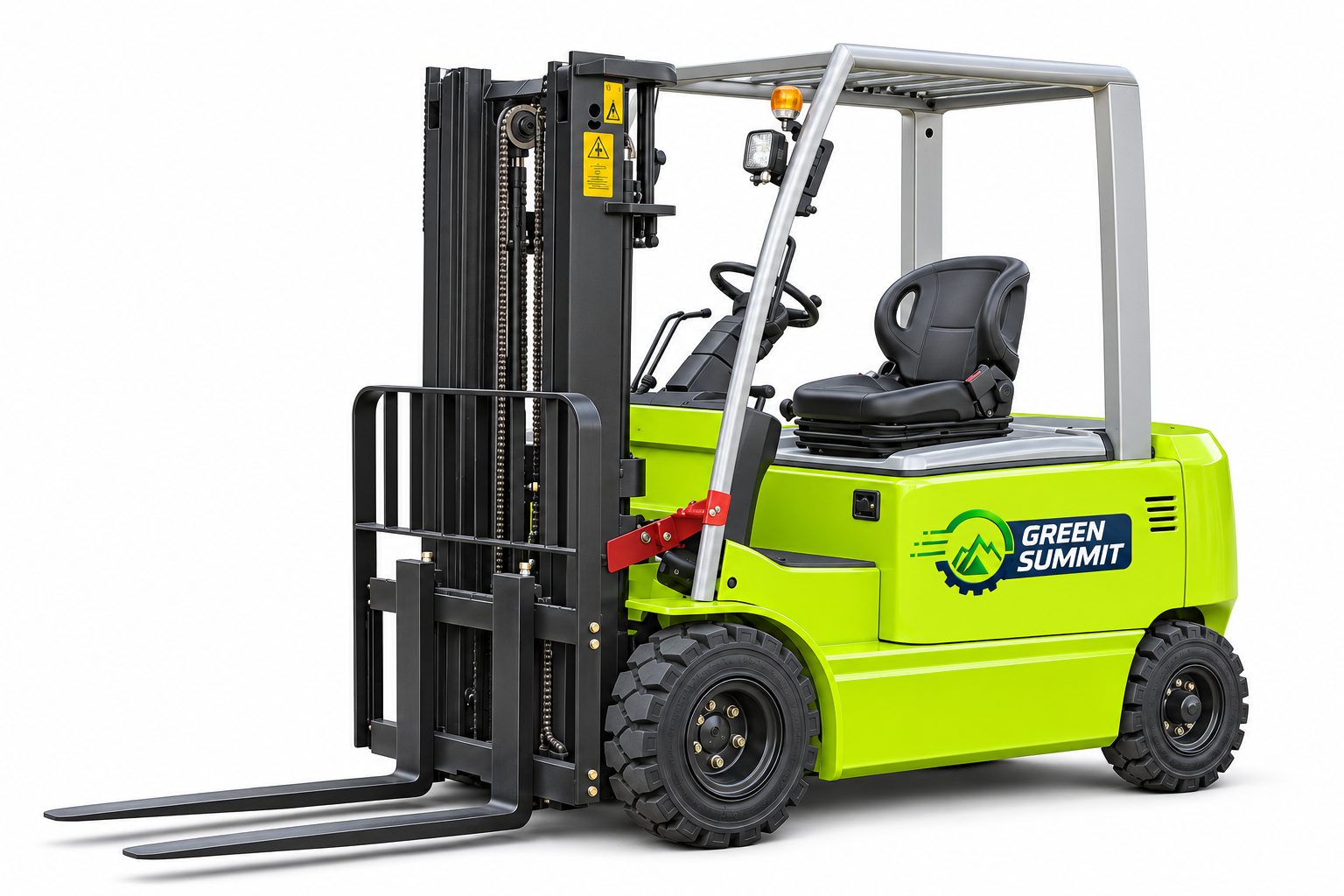
Condensation — not cold itself — causes most of the electrical failures in mixed cold-chain fleets. A forklift that crosses from a -20°C store into a humid ambient dock deposits moisture on every cold surface: controllers, connectors, contactors and even battery terminals. Specifying for that boundary is what separates a cold-chain forklift from a standard one.
Where condensation strikes
The worst moment is the warm-up: electronics and connectors at deep-cold temperature meet warm humid air at the dock. Moisture forms on circuit boards and inside connectors, and the first heavy electrical draw can then track across damp surfaces. Failures show up as intermittent controller faults, corroded contacts and, eventually, dead forklifts during the shift.
Configuration answers
- Sealed electrical enclosures and connectors rated for thermal cycling.
- Conformal coating on control boards where the factory offers it — ask, and get the answer in the specification sheet.
- Battery compartment ventilation designed against condensation, not just heat.
- Operating discipline: allow a short warm-up period before heavy lift current, and keep forklifts in the cold zone if their route never needs to leave it.
Zone-dedicated forklifts beat boundary-hopping
If your layout allows it, dedicate forklifts to the cold zone and move goods across the boundary with a handoff at the anteroom. Fewer thermal cycles per forklift means fewer condensation events. Green Summit builds both zone-dedicated and boundary-crossing configurations as OEM/ODM orders; the electrical spec differs, and we document the difference.
Describe your dock-to-freezer layout and we will configure the electrics for the crossings your forklifts actually make.