
Converting an IC Cold-Store Fleet to Electric: Order of Operations
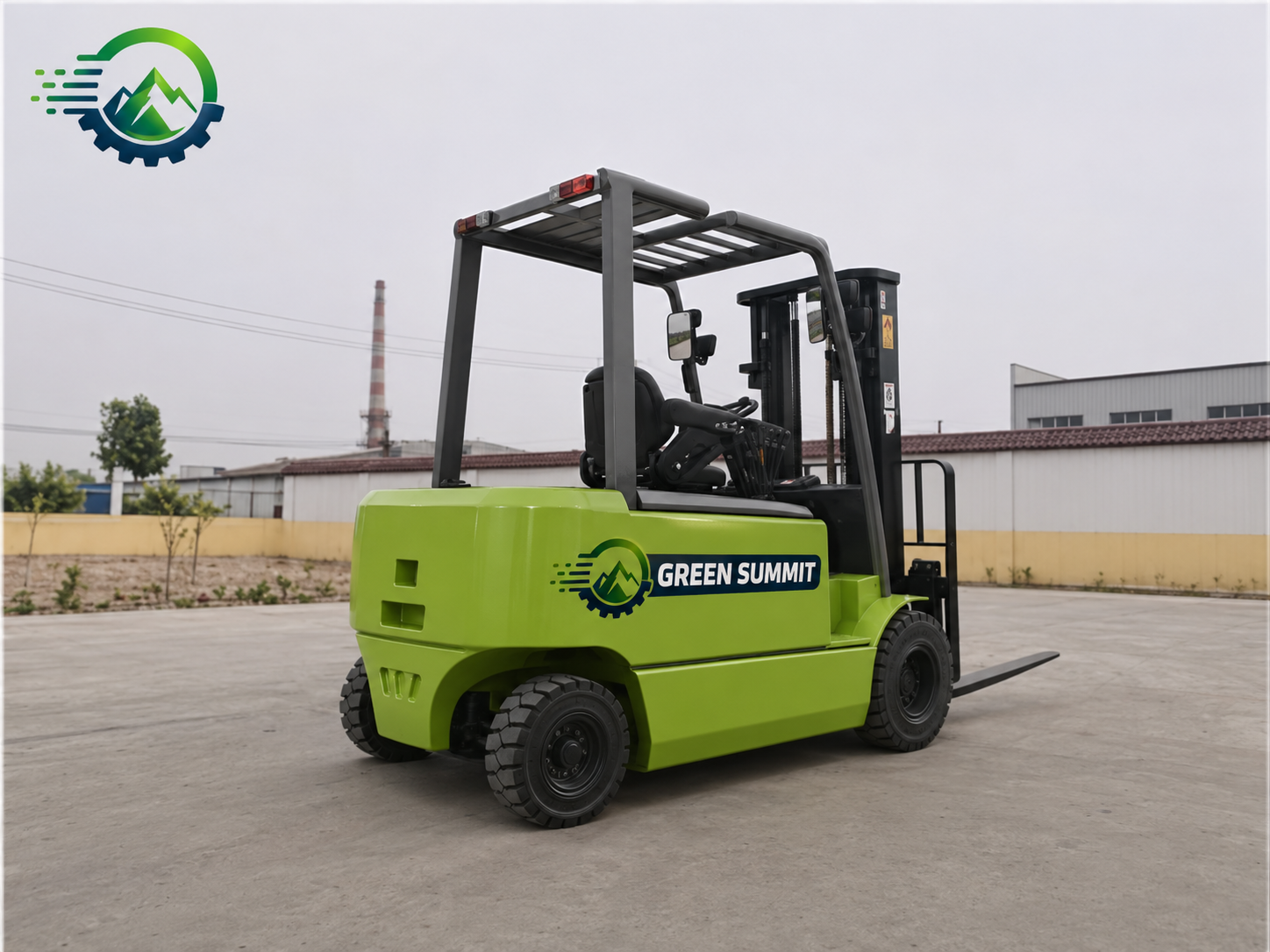
Many cold chain buildings still run diesel or LPG forklifts inside refrigerated zones — ventilating exhaust from a freezer is expensive, and fuel vapors near packaged food raise questions no operator enjoys answering. Converting the fleet to electric is usually the right direction; doing it in the right order is what saves the budget.
Convert by zone, not by forklift age
Start where the exposure is worst: forklifts that work deep inside the cold store. Exhaust extraction in a sealed freezer is the most costly workaround in the building, so those forklifts convert first. Docks and ambient yards can follow later — IC forklifts there are less problematic and often still useful.
The electrical question comes before the forklift question
An IC-to-electric conversion adds charging load that the building may not have wired for. Have your electrical contractor assess supply capacity and charger locations before ordering forklifts — Green Summit supplies charger specifications and battery documentation precisely for this assessment. Lithium opportunity charging usually simplifies it, since forklifts charge wherever they pause instead of at a central battery room the freezer building never had.
What the new fleet needs for cold service
- The full cold package: cold-rated tires, oil, seals — see our sub-zero specification list.
- Condensation-protected electrics for boundary crossings.
- Battery sizing against reduced cold-zone runtime, covered in our battery guide.
Green Summit manufactures the replacement fleet factory-direct and ships documentation and parts globally through Singapore. Send your current fleet list and zone map for a staged conversion plan.