
Electric Forklift Charging Infrastructure: Power, Space and Scheduling
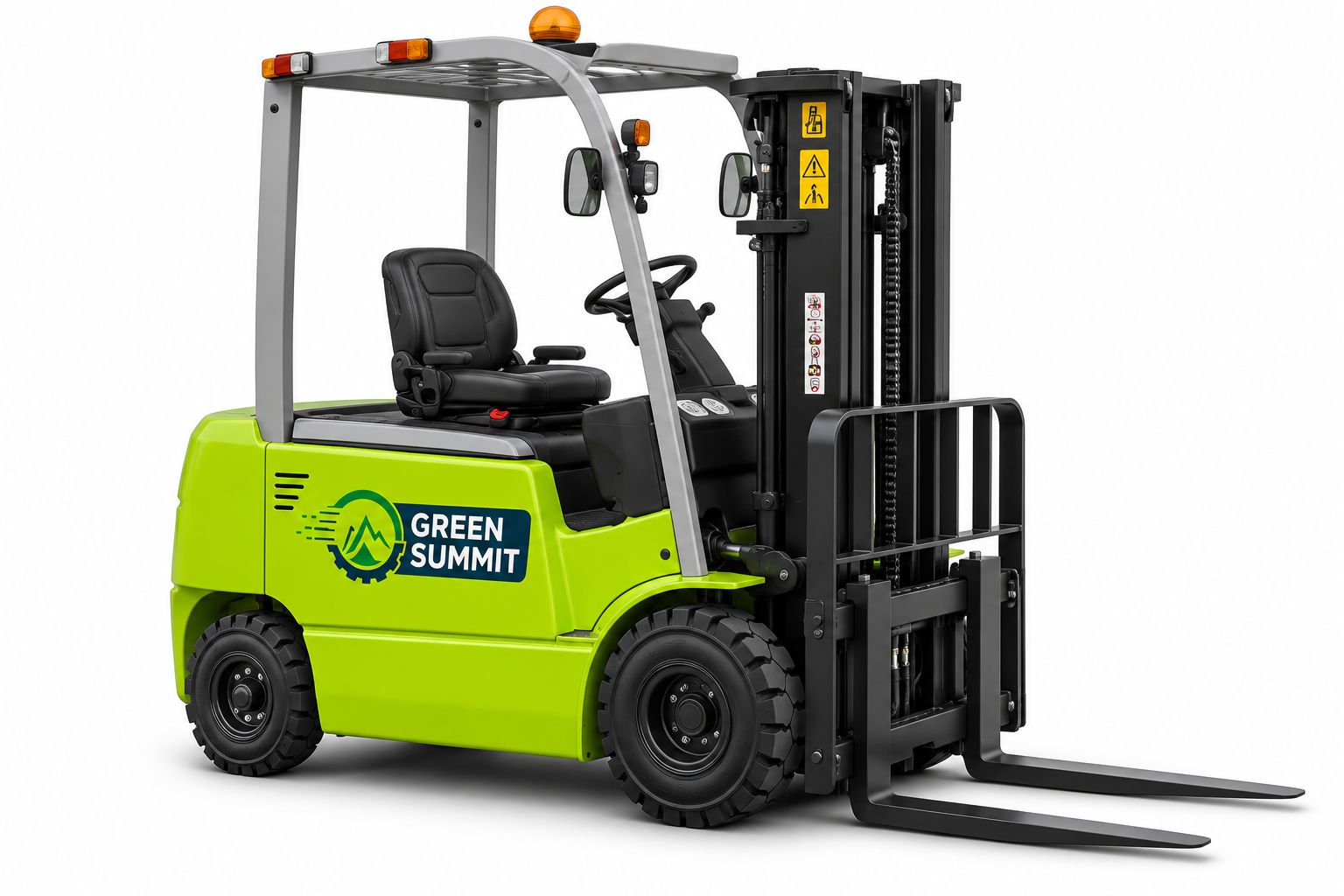
Chargers are the quiet half of an electric forklift purchase. A well-planned charging layout keeps forklifts productive; a badly planned one sends operators hunting for outlets mid-shift. Three things decide the layout: electrical supply, physical space and shift schedule.
Electrical supply first
Have an electrician confirm available amperage and where it can be delivered. Charger count multiplies fast with fleet size — four forklifts charging simultaneously draw serious load. Lithium opportunity charging spreads demand across the day instead of concentrating it overnight, which often avoids an electrical upgrade. Green Summit supplies charger specifications with the forklift so your electrician can plan before delivery.
Space the chargers where operators pause
Chargers belong near break areas, dock zones and shift-change points — not in a far corner nobody visits. For lithium forklifts, charging happens wherever the forklift parks, so designate those points and keep them clear of pedestrian routes. Lead-acid forklifts need the dedicated ventilated battery room instead, planned together with the rotation described in our battery planning guide.
Match charging to the shift plan
- Single shift: overnight charging for the whole fleet.
- Two shifts: lithium opportunity charging during breaks, or a lead-acid rotation sized for both shifts.
- Three shifts: lithium is usually the only practical chemistry without tripling the battery count.
Every Green Summit forklift — from the 1.5-ton lithium model upward — is quoted with its charging specification. Send your shift schedule and fleet size and we will propose the charger layout alongside the machine quote.