
Dock-to-Freezer Workflow: Specifying Forklifts for the Warm-to-Cold Transition
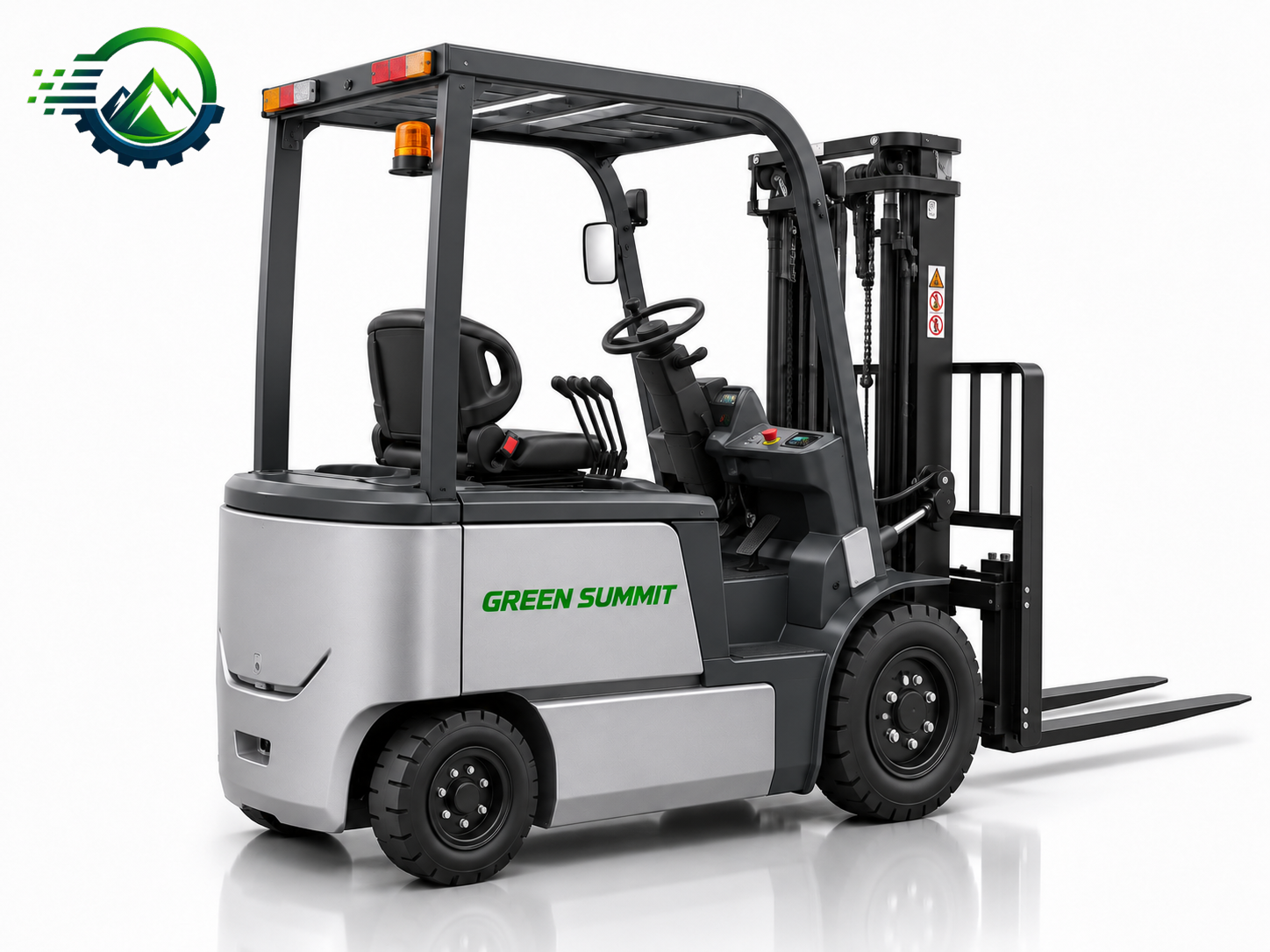
The dock-to-freezer transition is the hardest route in a cold chain building: ambient dock, anteroom, airlock, then deep cold — four environments, one forklift, and a thermal cycle repeated dozens of times per shift. Specifying for that cycle is a system decision, not a parts list.
Map the crossings first
Count how many times a forklift crosses the thermal boundary per shift, and how long it dwells in each zone. A forklift that makes two crossings a day needs different protection from one that shuttles hourly. The crossing count decides whether zone-dedicated forklifts, boundary-crossing specification, or a staged handoff layout is the better answer.
Specification by route type
- Boundary-crossing forklifts: sealed electrics and coated boards against condensation, cold-rated tires and oil for the deep zone, battery heating where crossings are frequent — see our condensation guide.
- Zone-dedicated cold forklifts: full cold package, no ambient exposure, charging done in the anteroom.
- Ambient forklifts: standard specification, handling goods to the anteroom only.
Free lift and door heights
Freezer doors and airlocks are usually lower than warehouse racking doors. Check mast collapsed height and free lift against every door on the route before ordering — Green Summit builds masts to match, and the measurement takes minutes.
Whether your operation needs one boundary-crossing forklift or a staged fleet, the configuration is built at our factory against your layout. Send the dock-to-freezer route and we will return the specification with capacity charts.