OEM / ODM Electric Forklift Factory

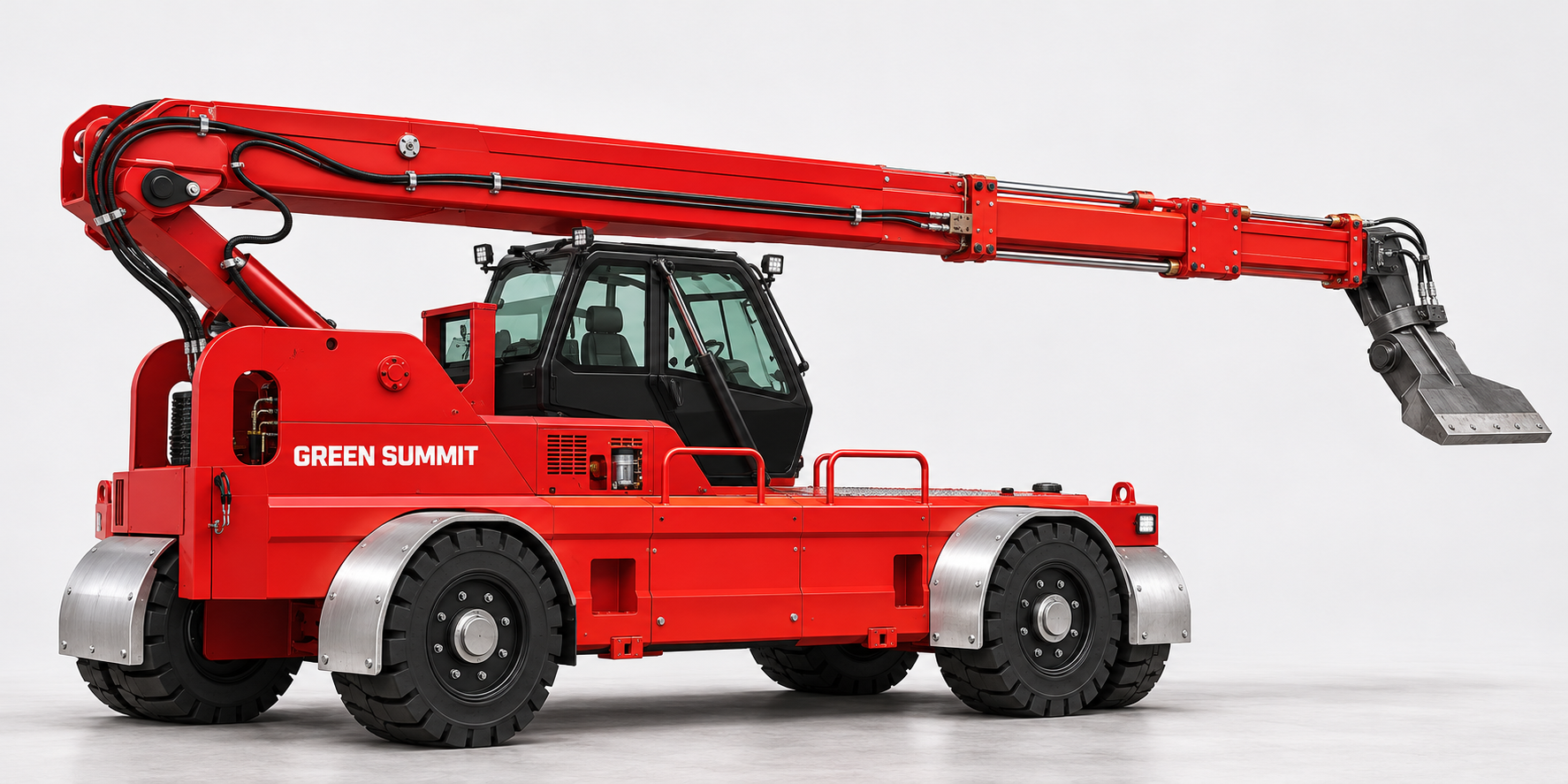
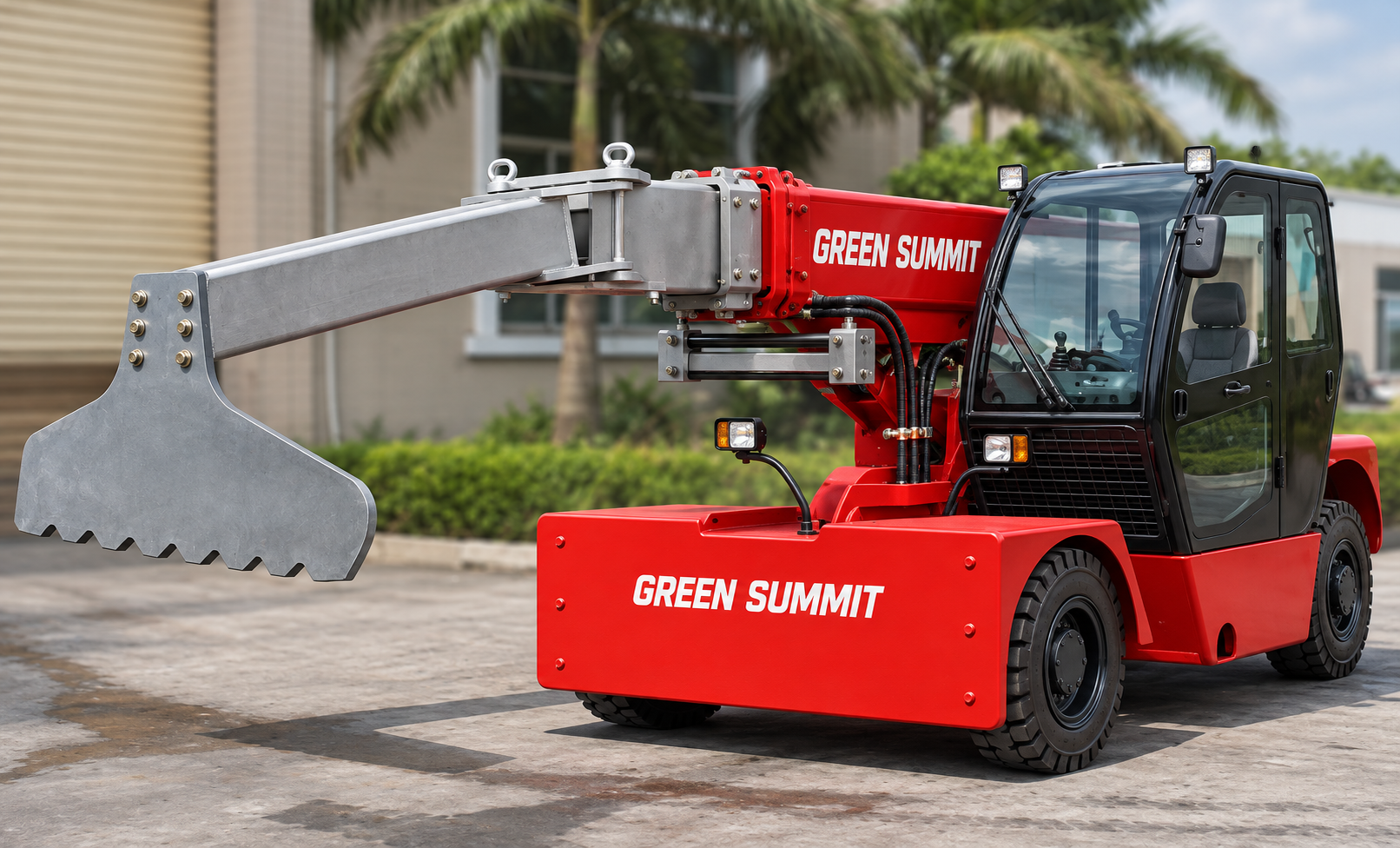
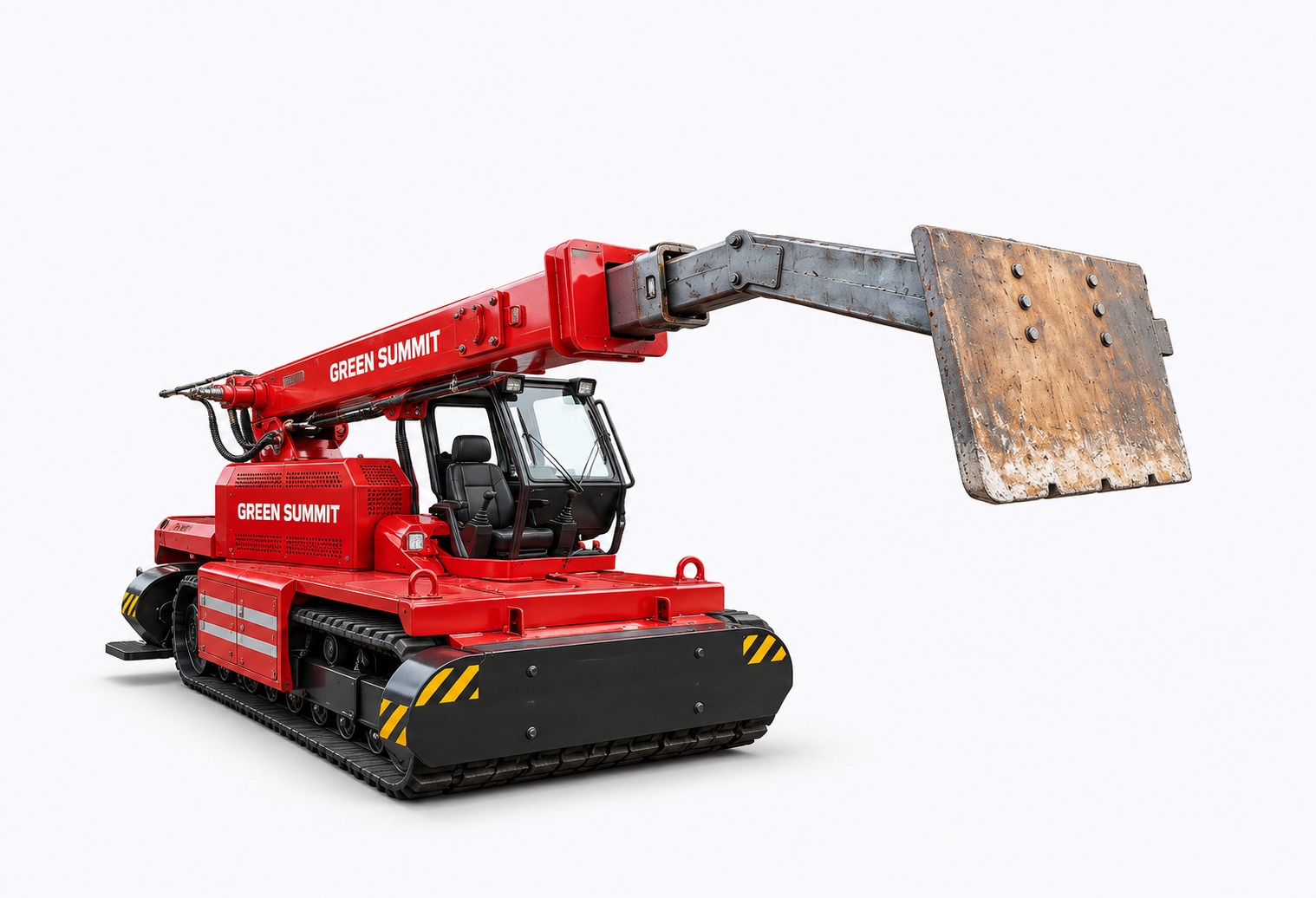
Purpose-built furnace tending vehicle for aluminum companies and smelters, engineered to replace slow manual and forklift-modified slagging with a dedicated telescopic-boom machine matched to each furnace.
Purpose-built furnace tending vehicle designed for aluminum companies, smelting furnaces and aluminum alloy bar production
Answers manual/modified-forklift slagging pain: over-30-minute cycles, deforming rakes, heat loss and aluminum burning loss
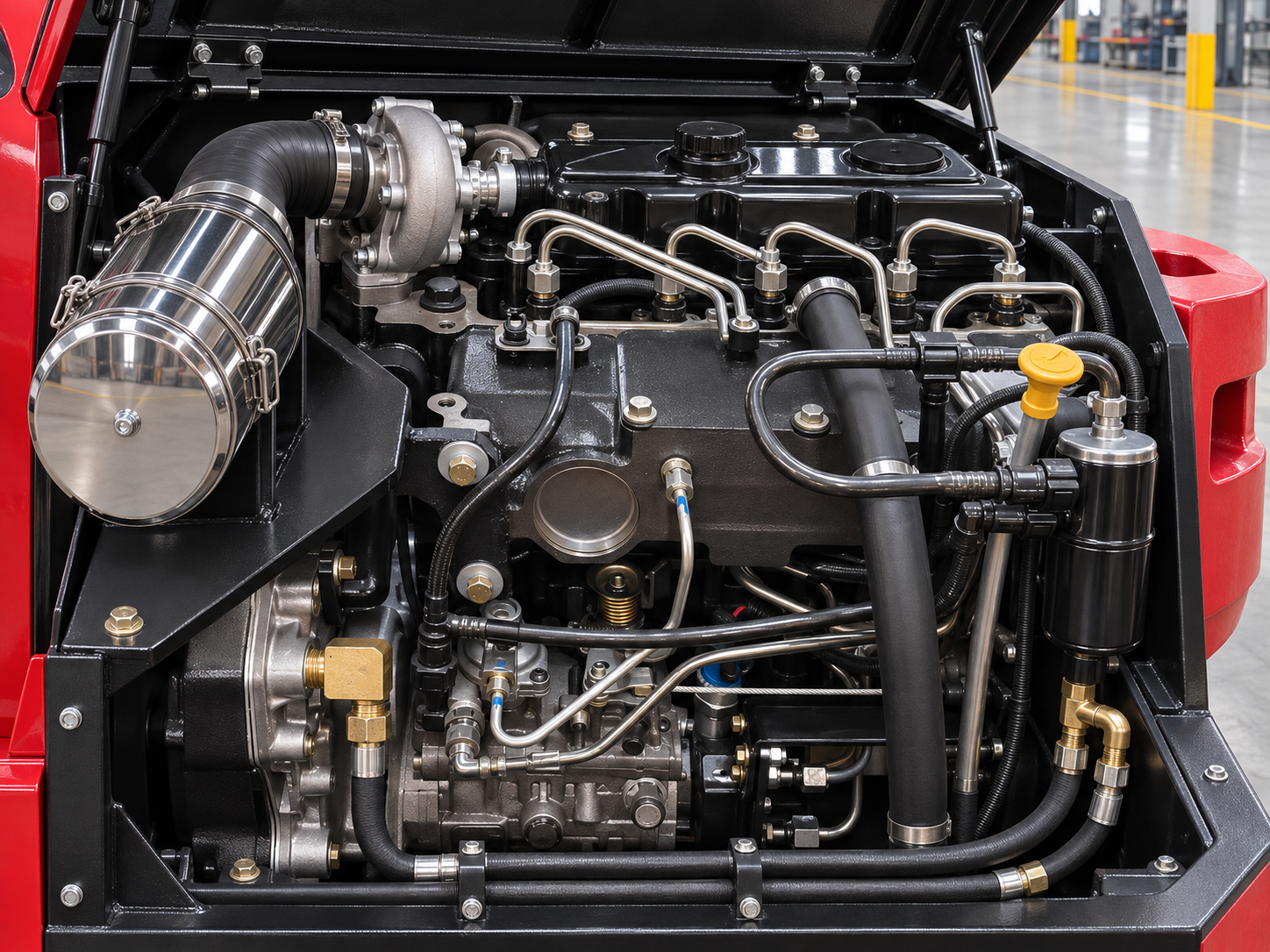
Turbocharged diesel configurations with Cummins / Perkins engines in Euro III or Euro IV stages
Customized boom, attachment and layout matched to each customer's furnace platform and door position
This purpose-built furnace tending vehicle (FTV) serves aluminum companies whose daily production depends on clean, well-tended melting furnaces. It is engineered for the metal smelting industry — electrolytic aluminum plants, aluminum melting and smelting furnaces, and aluminum alloy bar casting shops — where slag generated by raw-material impurities and oxidation must be removed from the furnace in time before it contaminates the melt.
Typical buyers are aluminum smelting companies, foundry operators, and aluminum alloy bar producers running stationary melting furnaces at medium to large capacity. The vehicle carries out daily furnace tending work: skimming and raking slag from the melt surface, tending the furnace interior through the door, and supporting charging operations around the furnace platform — jobs that are difficult, slow, and hazardous when done manually next to molten metal.
Aluminum companies that still rely on manual slagging or modified forklifts face a well-known set of problems. Each one has a direct engineering answer in a dedicated FTV:
| Common pain point in aluminum smelting | How a dedicated FTV answers it |
|---|---|
| Manual and forklift-modified slagging takes a long time — generally more than 30 minutes per furnace — with low slagging quality. | A purpose-built tending vehicle is designed around the slagging job itself, so the boom reaches the melt quickly and works steadily through the furnace door instead of fighting the furnace geometry. |
| Slagging rakes deform easily, break often, and are consumed in large quantities. | The FTV's working attachment is built as part of the machine, not an improvised add-on, so the tool is supported by the boom structure rather than by a fragile rake alone. |
| Keeping the furnace door open too long wastes heat and causes high aluminum burning loss in the melt. | A faster, steadier tending cycle shortens the time the furnace door stays open, protecting both energy and metal yield. |
| Large-capacity or high-platform furnaces cannot be slagged manually at all; a forklift-modified tool can exceed 9000 mm and vibrates heavily during work. | A dedicated telescopic-boom machine is engineered for reach and stability at these working heights, with the vibration controlled by the machine design rather than by an overstretched attachment. |
The vehicle is available with turbocharged diesel engine configurations, including Cummins and Perkins engines, in Euro III or Euro IV emission stages. Because every aluminum company's furnace platform, door position, and melt capacity differ, the FTV is supplied as a customized solution — boom configuration, working attachment, and machine layout are matched to the customer's actual furnace rather than sold as one fixed model.
Three inputs drive the right configuration. First, the furnace itself: melt capacity and furnace platform height determine the boom reach and chassis layout needed to work through the door safely. Second, the tending job mix: plants that mostly skim slag need a different working attachment emphasis than plants that also charge metal through the same vehicle. Third, the emissions requirement at your site: Euro III or Euro IV engine stages are selectable. Share these three inputs with our team and the configuration can be proposed against your real furnace instead of a catalogue assumption.
Green Summit Equipment and Marketing Solutions Pte. Ltd. supplies this furnace tending vehicle to buyers in global markets. The equipment is produced at our cooperating factory in Quanzhou, Fujian, which has manufactured machinery since 2010, and customer support is handled through our sales teams in Xiamen and Singapore. From configuration review to delivery follow-up, the same team that quotes your furnace stays with the project, so questions about attachments, engine options, or shipping documents are answered by people who know the order.
Yes. This FTV line is designed as a customized solution for each aluminum company: boom configuration, working attachment, and machine layout are matched to your furnace platform height, door position, and melt capacity. Send us your furnace details through the inquiry form so the configuration can be reviewed against your real site.
Turbocharged diesel engines are available, including Cummins and Perkins configurations, in Euro III or Euro IV emission stages. State your local emission requirement when you inquire.
Forklift-modified slagging tools can be very long (beyond 9000 mm), vibrate heavily, deform, and consume rakes quickly, while keeping the furnace door open long enough to lose heat and burn aluminum. A dedicated FTV is built around the tending job, which is why aluminum companies using one see steadier, faster slagging cycles.
The most useful details are your furnace capacity, furnace platform height, door position and size, the tending tasks you need (slag skimming, furnace tending, charging), and your required engine emission stage. Our team will use these to propose a matching configuration.
See also the Dross Skimming Furnace Aluminium Tending Machine for dedicated dross skimming duty, and the Aluminum Charging Vehicle for furnace charging operations. Both belong to the same Furnace Tending Vehicle category for aluminum smelters.
To help our team review your requirement and prepare a configuration and quotation response, please include your furnace capacity, platform height, door dimensions, required tending tasks, and preferred engine emission stage in your inquiry.
CE, ISO, certified configurations with verifiable certificate coverage by model and target market.
Incoming, in-process, and pre-shipment inspections recorded per unit; every forklift released only after full-load, braking, gradeability, and endurance testing.
Battery cells, BMS, controller, motor, and hydraulic systems selected from proven industrial-grade suppliers, with market-specific configuration options.
Spare-parts availability, remote diagnostics, English technical documentation, and defined response windows for overseas dealers.
Standardized assembly and testing across order sizes; customized configurations remain fully covered by the same inspection and traceability process.
Previous
Slagging Truck
Next
Furnace Charging Vehicle
Looking for a reliable electric forklift partner? Let's talk.
Contact Us