
Zero-Emission Port Operations: Converting Diesel Forklift Fleets in the Right Order
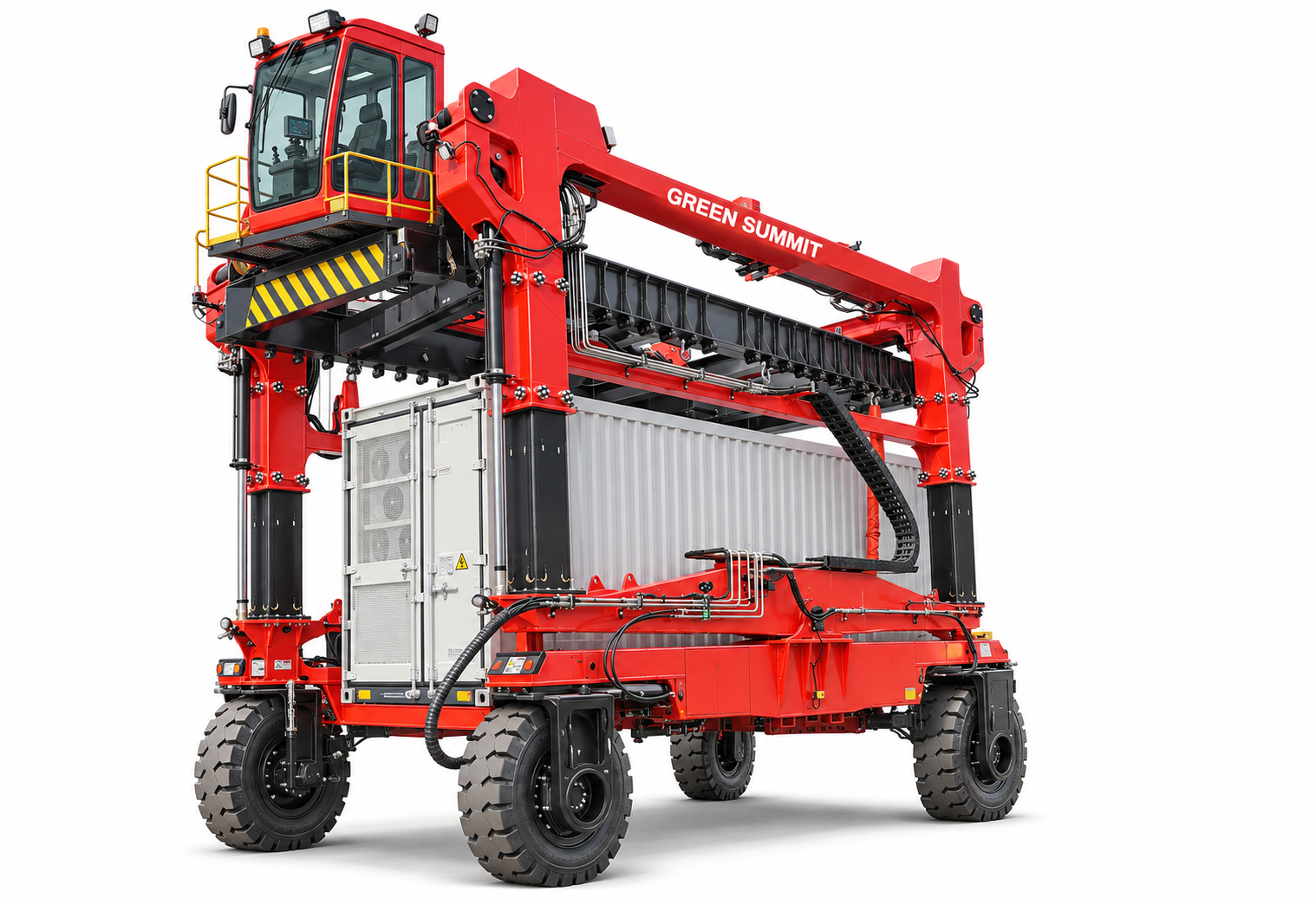
Port emissions programs increasingly target every diesel engine on the quay, not just the ships. Forklifts and handlers are among the easiest to convert because charging infrastructure scales in steps and the duty profiles are well understood. The conversion sequence matters more than the ambition.
Start where exhaust hurts most
Sheds, covered storage and stuffed-container work are the zones where diesel exhaust forces ventilation costs and operator complaints. Converting those duties to electric first — for example replacing shed handlers with a 20-ton electric forklift — delivers visible improvement per dollar spent. Open-yard duties with long travel distances can follow as charging matures on site.
Plan charging like a utility project
Heavy electric forklifts draw serious power. Terminals should involve their electrical contractor early: available supply, charger locations near high-turnaround zones, and the charging schedule that fits berth operations. Green Summit supplies complete charger and battery documentation with the forklift order so the electrical design runs in parallel with manufacturing.
Sequence the fleet
- Audit: list every diesel forklift, its duty hours and its zone.
- Prioritize: indoor and shed duties first, then high-utilization yard forklifts.
- Configure: each heavy model built OEM/ODM against the duty it replaces.
- Support: parts and service terms agreed before the first forklift ships.
Green Summit has supplied heavy electric forklifts to port and industrial logistics buyers across Southeast Asia, the Middle East, Europe and the Americas. Send the diesel fleet audit and we will return a staged conversion proposal with tonnage-class options.