
Spares Planning for Cold Chain Fleets: The Parts That Fail First in Cold Service
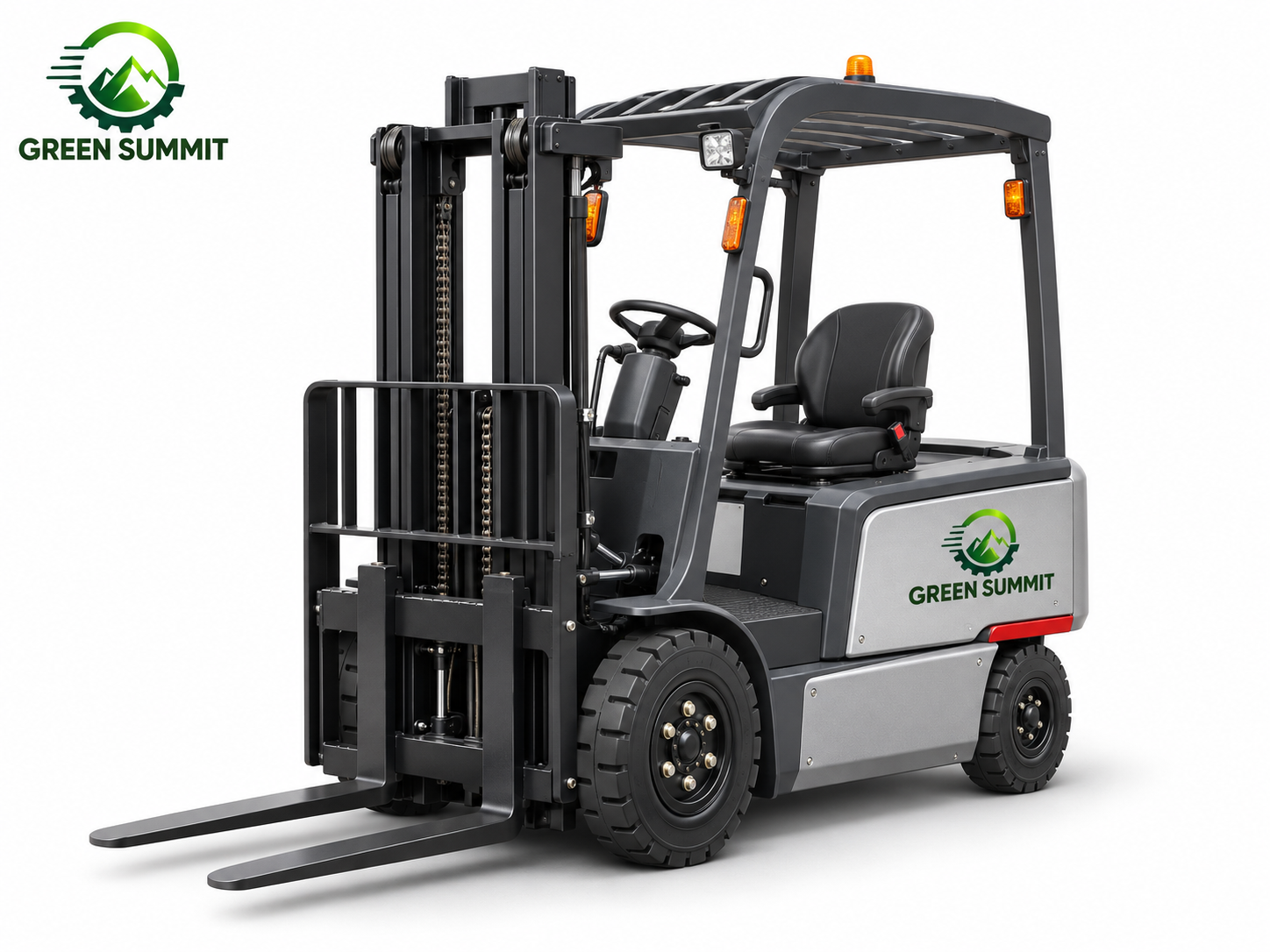
Cold chain fleets consume wear parts faster than ambient fleets, and the distance between a failed seal and a stocked spare decides whether the freezer keeps moving. Spares planning is part of the forklift order, not an afterthought.
What fails first in cold service
- Seals and hoses: thermal cycling hardens elastomers — the top cold-zone wear item.
- Tires: cold compounds and frost-abraded floors wear faster than indoor ambient use.
- Contactors and connectors: condensation crossings stress electricals; keep spares of the failure-prone sizes.
- Battery maintenance items: for lead-acid, watering equipment and cell caps; for lithium, communication harnesses and charger components.
- Brake components: constant low-speed maneuvering in tight freezer aisles works brakes hard.
Sizing the first parts package
A practical rule: one full wear-parts kit per forklift for the first year, weighted toward the items above, then re-ordered based on your actual consumption. Green Summit ships the package with the forklifts so it arrives before the fleet does — not six months after the first breakdown. For remote or island cold chain operations, our remote support guide covers the fuller package.
Make the supplier commit in writing
Parts availability terms — what is stocked at the factory, shipping commitment after an order, technical support hours — belong in the contract, not in a sales conversation. Our Singapore company coordinates parts globally for exactly this reason. Request the cold-chain parts package with any forklift quote.