
Small Electric Forklifts for Food Plants: Key Checks
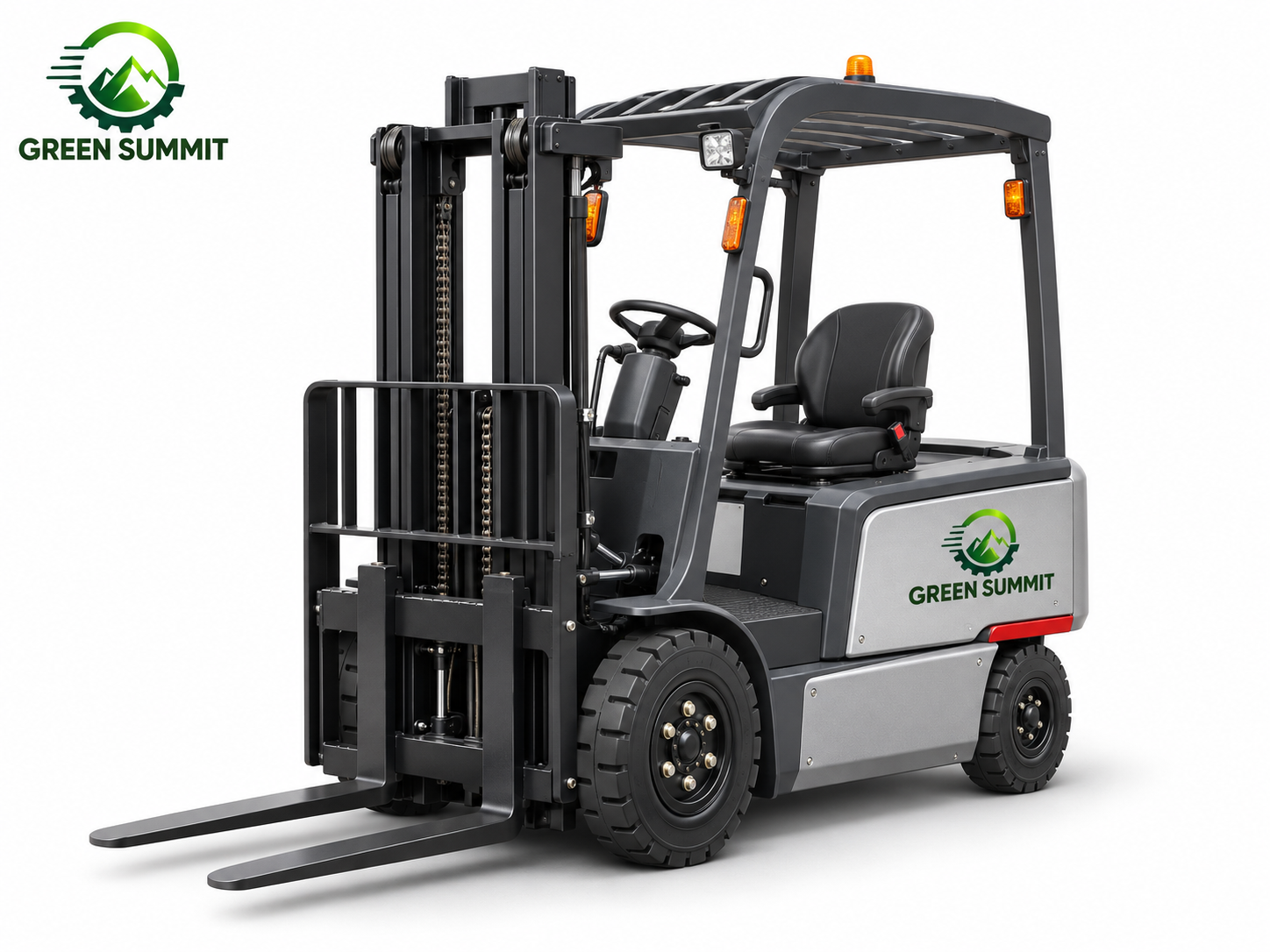
Food factories buy small electric forklifts for the same reasons everyone does — no exhaust, low noise, low running cost — but they add constraints most warehouses never face: washdown routines, floor hygiene and audit inspections. Specifying a 2–3 ton electric forklift for a food plant means checking a few details that never appear on a standard quotation.
Floors that are washed, not just driven
Food plant floors are washed with water and often with foam or chemicals. Battery compartments and connectors on a small electric forklift must tolerate splash and humidity. Ask how the battery box, controller connectors and lift cylinders are sealed, and whether the truck's design allows water to drain away from electrical components rather than pool around them.
What auditors actually look at
- Oil leaks: hydraulic systems on food-grade forklifts should show no weeping at cylinders and hoses.
- Debris traps: open channels that collect product residue are a persistent audit finding.
- Tire marks: non-marking tires keep white floors presentable between washdowns.
Battery choice inside production areas
Lead-acid batteries need watering and ventilation during charging, which is awkward inside production buildings. Many food plants now specify lithium packs for that reason: no watering, no acid, and opportunity charging between shifts without a dedicated battery room. For a 3 ton electric counterbalance forklift working two shifts in a dairy or beverage plant, lithium is usually the cleaner administrative choice as well as the practical one.
Zoning the fleet
Keep forklifts dedicated to raw material areas separate from finished goods where required by your audit scheme, and assign each truck to a documented cleaning route. Forklifts are easy to overlook in sanitation plans because they move between zones.
Our electric small forklift series is specified for food and beverage plants in global markets, with non-marking tires and sealed battery options available. Compare the 2.5 ton electric forklift and 3 ton model, or describe your plant layout for a food-grade specification.