
Salt Air and Steel: Corrosion Specification for Coastal Port Forklifts
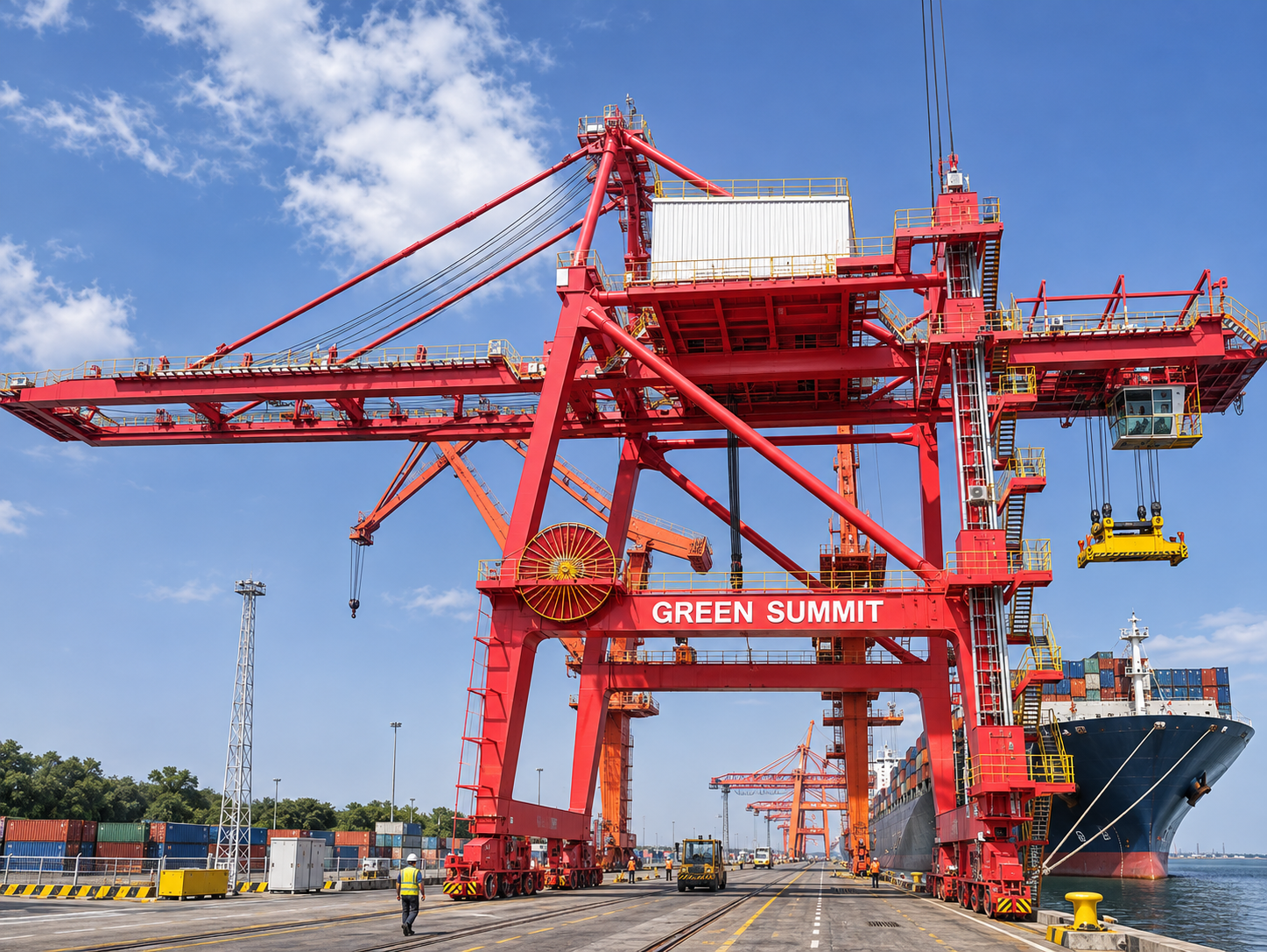
Salt air is the quiet tax on port equipment. Steel corrodes faster at the coast, electrical contacts fail earlier, and paint systems that survive inland fail in port yards. Corrosion specification is a factory conversation, and it should happen before the order — not in the warranty claim.
What salt air attacks
- Paint and coatings: chips expose bare steel that rusts fast in marine air.
- Electrical contacts: salt film plus humidity corrodes connectors, contactors and battery terminals.
- Exposed fasteners and cylinders: rod surfaces and unprotected pins pit and seize.
- Battery compartments: moisture plus salt residue is aggressive on terminals and trays.
The specification list for coastal duty
Marine-grade coating systems with proper surface preparation, sealed electrical enclosures, protected connector types, cylinder rod protection and drainage details that keep salt water from pooling in the chassis. None of this is exotic — but none of it is added to a standard forklift automatically either. As an OEM/ODM factory, Green Summit builds coastal packages against the site's actual exposure: distance from open water, humidity, and whether forklifts work through the night dew cycle.
Maintenance follows the spec
Freshwater washing on a schedule, connector inspection intervals, and touch-up paint discipline extend the package's life. Our port maintenance guide covers the wear-parts side.
Tell us your terminal's exposure — open berth, river port, island — and the corrosion package comes back with the quote.