
Buying Electric Forklifts for a Growing Warehouse: One Model or a Mixed Fleet?
A growing warehouse rarely needs a single forklift model. Racking, docks, yard work and long loads place different demands on the machine, and forcing one forklift into every role either overbuys capacity or underbuys reach. A mixed electric fleet solves both.
Map tasks before models
Walk your site and list the actual jobs: pallet put-away to high racking, dock loading, floor-stacked bulk storage, long-profile goods, and occasional heavy items. Each job points to a configuration:
- High racking and narrow aisles: a VNA or reach configuration such as the 1.6-ton dual scissor reach forklift.
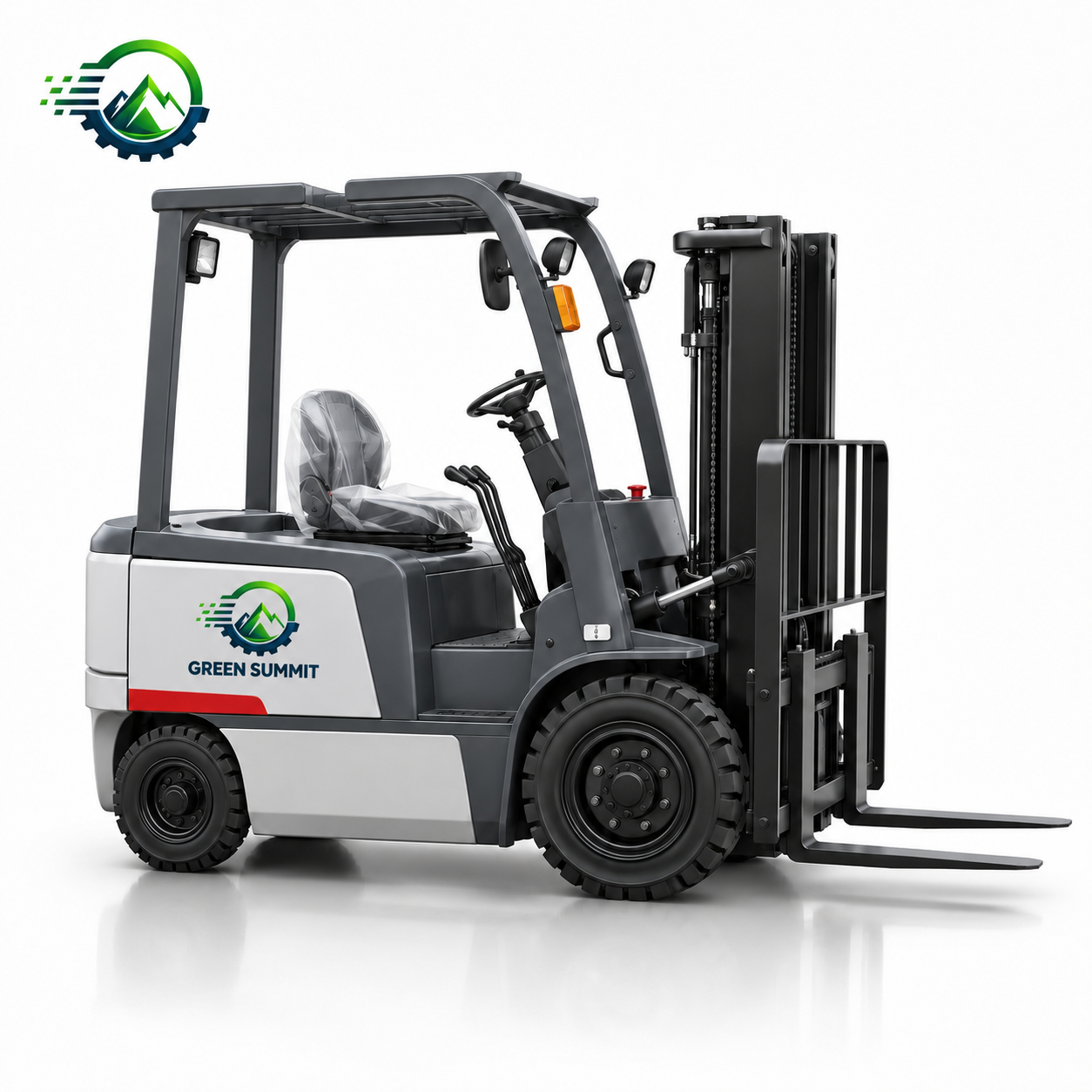
- General pallet work: 2–3.5 ton counterbalance models like the 3-ton electric forklift.
- Long materials — extrusion, tubing, panel stock: a side loader like the 5-ton electric side loader.
- Heavy or irregular loads: 6–10 ton forklifts, or heavier models on request.
Fleet size follows utilization, not headcount
Count hours of forklift work per shift rather than assuming one forklift per operator. Two lightly used 2-ton forklifts often cost less to own than one heavily cycled 3-ton machine doing both jobs badly, and lithium opportunity charging lets small fleets charge wherever they pause.
Green Summit manufactures the whole range in one factory, so a mixed fleet can share parts, chargers and service documentation — and be quoted as one export order with unified shipping. Send your task list for a fleet proposal.