
Lithium vs Lead-Acid Electric Forklifts: Which Fits a Warehouse Operation Better?
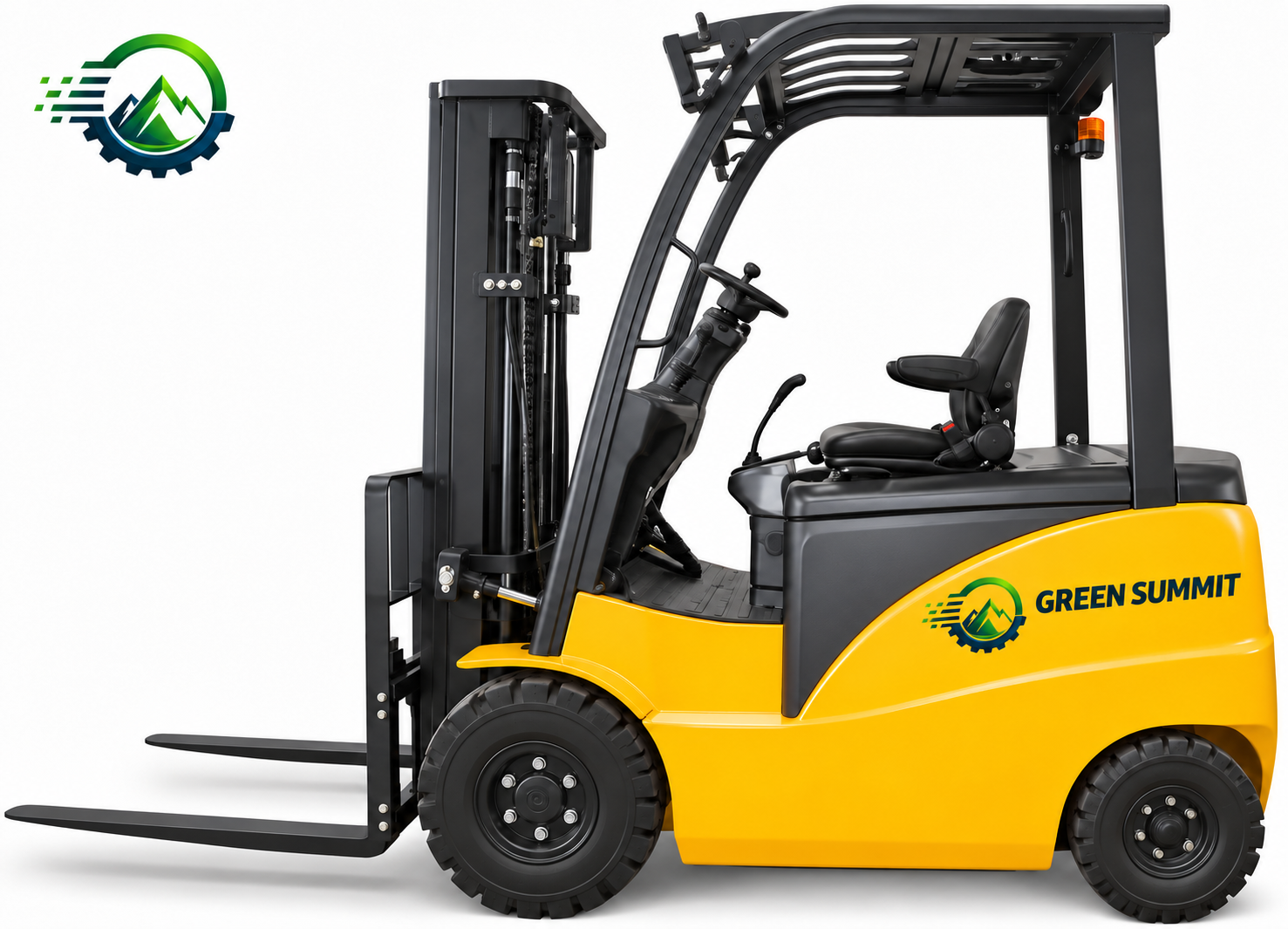
Both chemistries move the same pallets. The difference shows up in how your shifts are organized. Lead-acid forklifts need a dedicated battery-changing and charging room with ventilation and watering; lithium forklifts charge in opportunity windows between tasks. Which one is better depends on your shifts, floor space and power capacity — not on marketing.
Where lead-acid still works
Lead-acid packs are the lower upfront investment and are easy to service in-house if you already run a battery bay. Operations with stable, single-shift patterns and an existing charging room often keep lead-acid forklifts for years without issues. Green Summit offers lead-acid configurations across the range, including the 4-ton lead-acid forklift and 2.5-ton VRLA models.
Where lithium changes the operation
Lithium removes the battery-swap step: forklifts top up during breaks and shift changes, so a two-shift warehouse may not need spare batteries at all. Charging happens on a standard industrial supply instead of a ventilated battery room, which frees floor space in dense warehouses. Lithium also holds voltage more steadily through a shift, so lift speed near the end of the shift stays closer to the beginning. See our 3-ton lithium electric forklift for a typical warehouse configuration.
How to decide for your site
- Count your shifts: multi-shift operations favor lithium's opportunity charging.
- Measure your battery room: if space is scarce, lithium frees it up.
- Check your electrical capacity with an electrician before committing to either.
- Ask for both quotes from the factory — with the same mast and forks — and compare five-year running cost, not just purchase price.
As an OEM/ODM electric forklift factory, Green Summit supplies both chemistries and will build the configuration your operation needs. Send us your shift schedule for a configuration proposal.