
Food-Grade Compliance in Cold Chain Handling: What Auditors See on Your Forklift
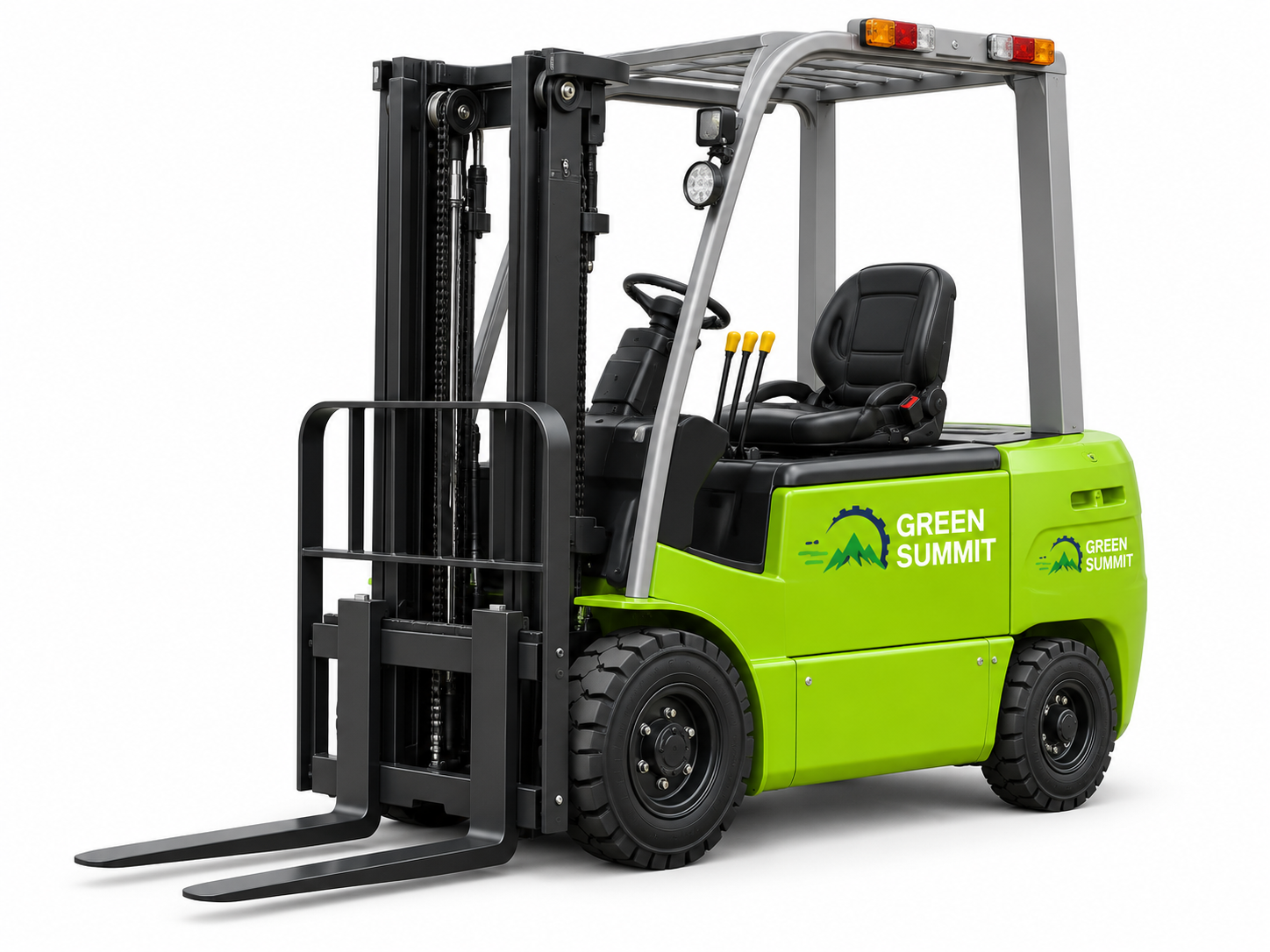
Cold chain handling sits inside food safety compliance, and the forklift is part of the audited environment. Equipment that sheds particles, leaks onto product or traps debris in crevices creates findings — and findings cost time during every inspection. Specification answers exist; they just need to be requested at order time.
What auditors look at on a forklift
- Hydraulic leaks: any fluid near product zones is a finding. Well-maintained seals and scheduled hydraulic checks are the baseline.
- Cleanability: smooth surfaces and accessible undercarriage areas that can be washed down or wiped without disassembly.
- Debris trapping: open profiles and rough welds collect organic debris; smooth profiles clean faster.
- Exhaust: already solved — electric forklifts produce none, which is why they are the default in food zones.
Forklift specification for hygiene zones
Food-industry configured models such as the 2-ton food industry forklift and the 3-ton version start from easy-clean surfaces and protected electrics. The cold package — cold-rated tires, oil, seals and battery options from our freezer guides — layers on top for refrigerated zones.
The zone question decides the spec
Which zones does the forklift actually enter: ambient dry goods, chilled, frozen, or production? A forklift serving only the loading bay needs far less than one working inside the freeze tunnel area. Draw the zone map before ordering; Green Summit configures against it and documents the result for your audit file. Send your zone map to start.