
Electric Forklifts vs IC Forklifts in Indoor Warehouses: Air, Noise and Ventilation
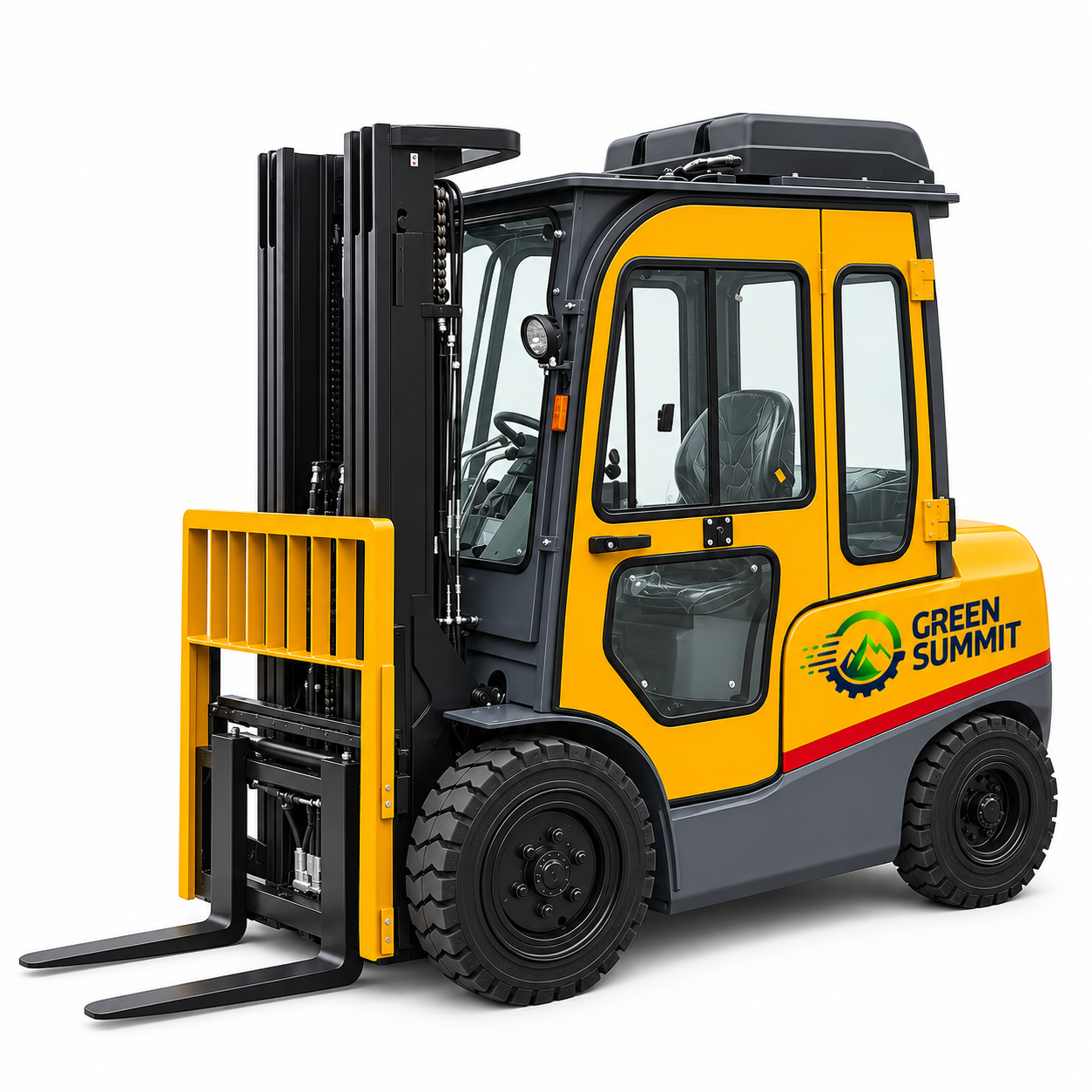
Indoor air quality rules and warehouse ventilation costs push many operators toward electric forklifts. The comparison is straightforward: internal combustion forklifts burn fuel in the same room your staff breathe, while electric forklifts produce zero exhaust at the point of use and run far quieter.
Air and ventilation
An IC forklift inside a closed warehouse puts exhaust, heat and moisture into the working environment. Some sites add extraction fans or keep dock doors open, which costs energy in air-conditioned or cold stores. Electric forklifts eliminate exhaust entirely, which is why food, beverage and pharmaceutical warehouses specify them for indoor zones.
Noise and shift comfort
Electric drive is significantly quieter than diesel or LPG, which matters in facilities running night shifts near offices or residential areas. Operators also report less vibration and no refueling stops during a shift.
Where IC forklifts still appear
Rough outdoor yards with no charging infrastructure and very long daily runtimes are the cases where diesel remains common. But with lithium opportunity charging, many of those yard duties now run electric too — our 6-ton indoor/outdoor electric forklift is configured for both surfaces.
What to verify before switching
- Confirm your electrical supply can support the chargers.
- Map which tasks stay outdoor and choose tires and protection for them.
- Plan charger locations near break areas so opportunity charging actually happens.
Browse the full electric forklift range or contact Green Summit to plan a diesel-to-electric transition for your warehouse.